
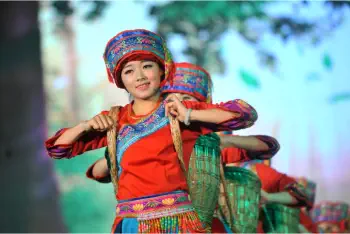
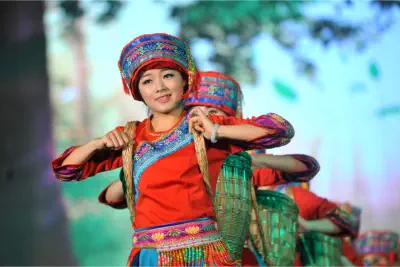
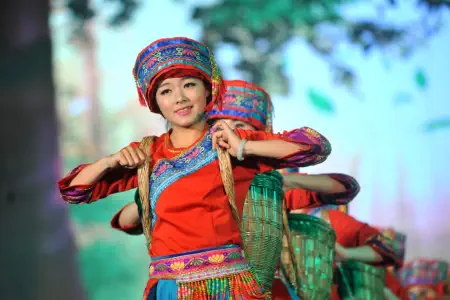
Zhuang 壮
There are about 17 million Zhuang people in China, including more than 1 million in Yunnan. There are many branches to the group, including more than 40 branches in Yunnan alone.
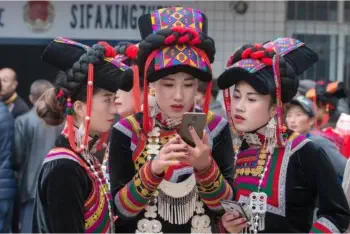
Yi 彝
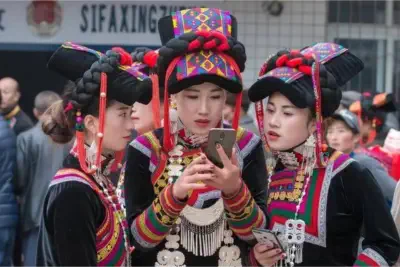
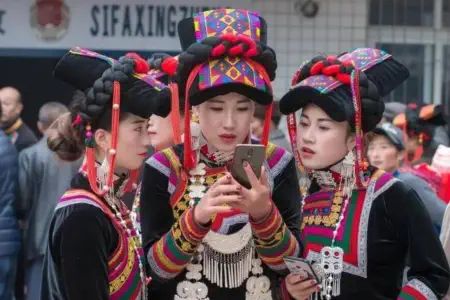
More than 8 million Yi people live in the hillside and basin areas of China, including about 5 million in Yunnan. They hold to ancient spiritual beliefs such as the adoration of nature and worship of ancestors, while also cherishing many different religious beliefs together, including Buddhism, Taoism and Christianity.
Yao 瑶
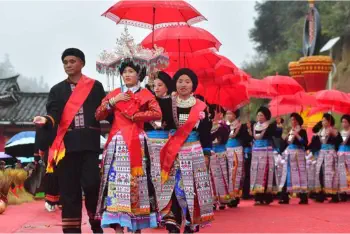
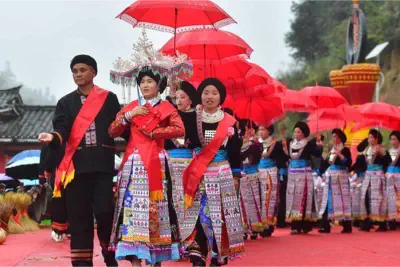
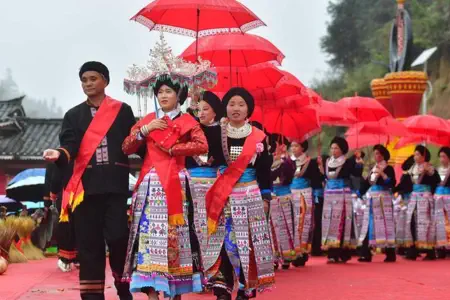
The Yao ethnic group numbers more than 2.8 million throughout China, in Guangxi, Guangdong, Hunan, Guizhou, and there are about 190,000 Yao people in Yunnan. They are closely connected to the Miao people through their ancestral lineage dating back to the "Wulingman" tribe during the Qin and Han dynasties.
Shui 水
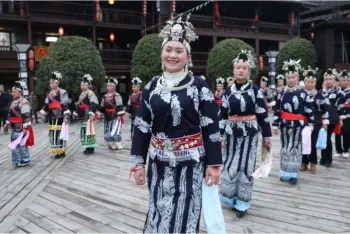
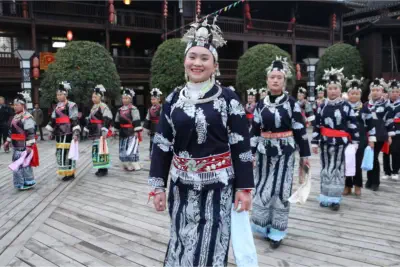
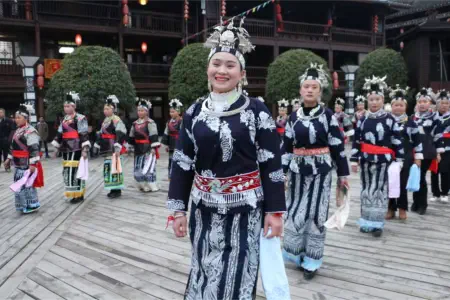
The Shui Ethnic Group has a population of more than 410,000, mainly in Guizhou Province, but only about 12,000 of them live in Yunnan, mostly in the Fuyuan and Yiliang areas. The Shui people in Yunnan migrated there very early and have evolved in their own ways, separately from the Shui in Guizhou and follow different customs.
Wa 佤
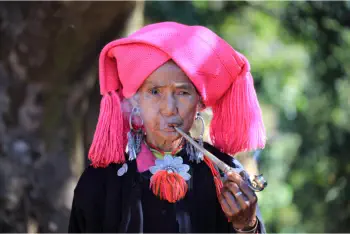
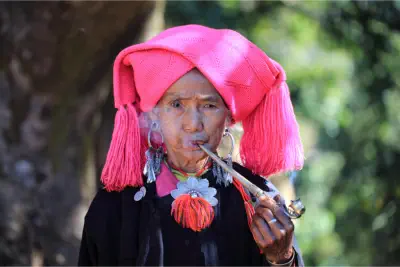
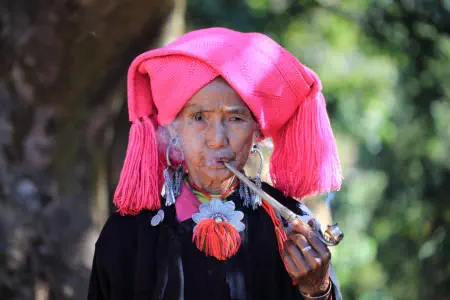
The Wa people live in the upland regions of eastern Myanmar and southwestern Yunnan. There are about 400,000 of them in China and they occupy the rugged, mountainous land between the Mekong River and Salween River, which is their ancient homeland.
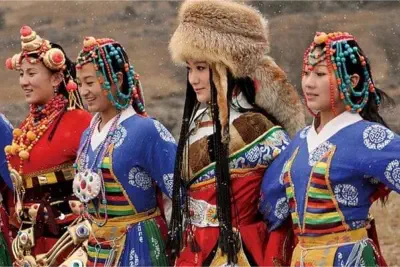
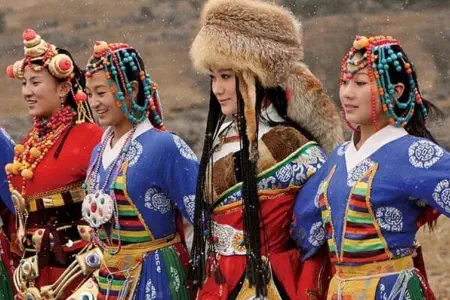
Tibetan 藏
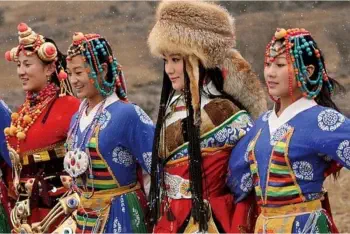
The Tibetan People, or Zang ethnic minority, number more than 6 million in China, mostly living in the Tibetan Autonomous Region, but about 128, 000 are in Yunnan Province. The Tibetans are well known internationally for their own distinctive style of Tibetan Buddhism, architecture, music and dance.
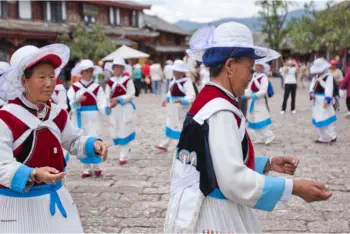
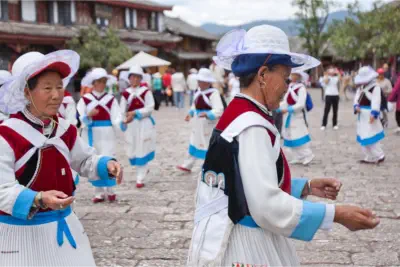
Naxi 纳西
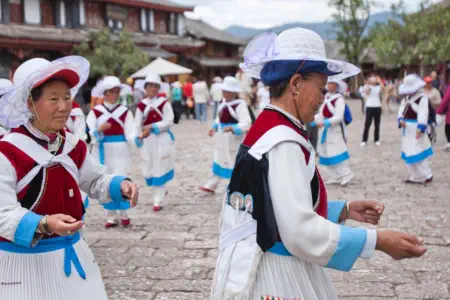
Of about 300,000 Naxi people in China, most live in Naxi Autonomous County in Lijiang, Yunnan Province, others in Sichuan and Tibet. The name "Naxi" means "senior and honored people." Many of their ancient customs remain intact. Their ancient faith of Dongba Jiao survives amidst Buddhism, Taoism and Christianity.
Pumi 普米
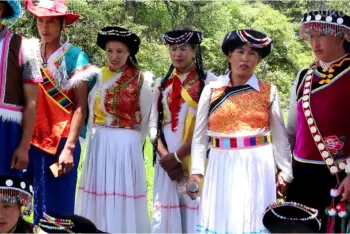
There are nearly 40,000 Pumi people in China and most of them live in the northwest quadrant of Yunnan. They were nomadic people who trace their history back to the Qinghai-Tibet Plateau in the northwest and gradually moved south to Sichuan and Yunnan.
Nu 怒
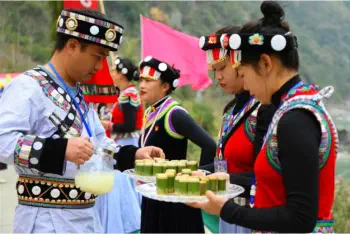
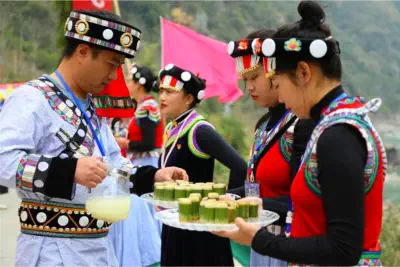
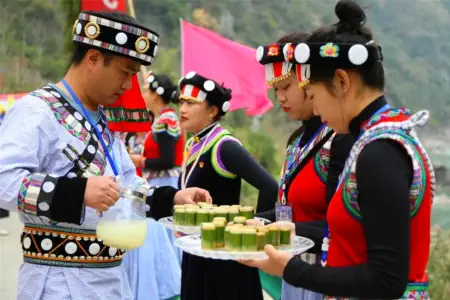
The Nu ethnic group has a population of 37,000, nearly all of which live in Yunnan in Fugong, Gongshan and Bin'e Township in Lanping County in the Nujiang Susu Autonomous Prefecture. The Nu people in Gongshan and Fugong counties are the earliest local aboriginals, dating their origins back to the Luluman people during the time of the Tang Dynasty.
Mongolian 蒙古
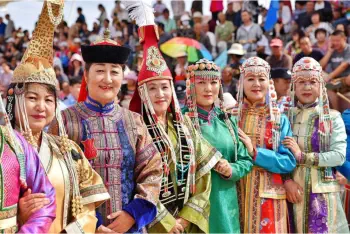
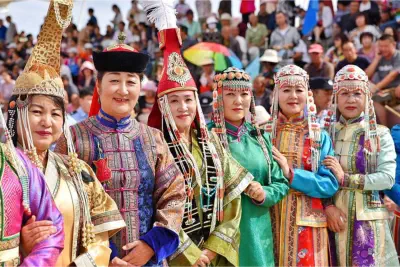
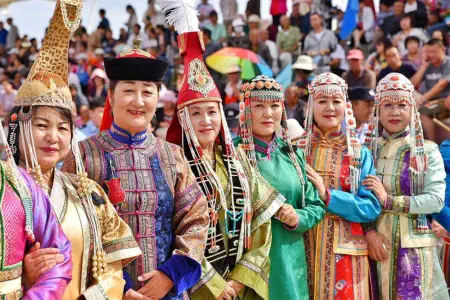
Of approximately 6 million Mongolian people living throughout China, only about 28,000 of them live in Yunnan, mostly in Xinmeng Township, Tonghai County. They have gathered mostly in five villages: Zhongcun, Xiacun, Baige, Gaoyiwan and Taojiazui. They make their living primarily through farming.
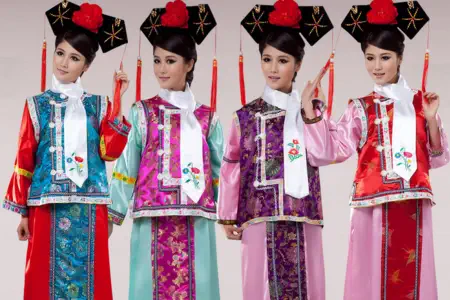
Manchu 满
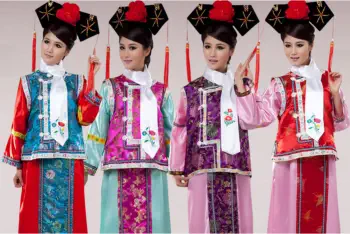
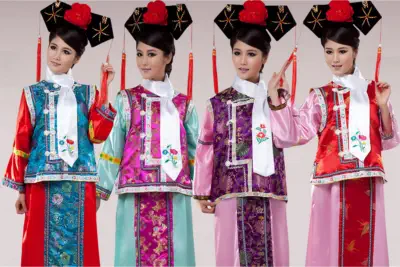
The Manchu people were originally a northern ethnic group that migrated to Yunnan during the Qing Dynasty and gathered around Kunming and other nearby areas. There are more than 12,000 of the Manchu people in Yunnan and they blend in with the Han people and follow the same customs.
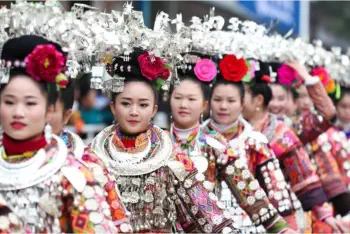
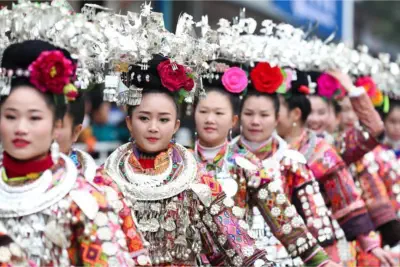
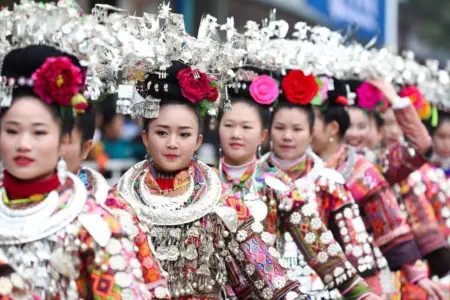
Miao 苗
Most of the more than 9 million Miao people in China live in the southern Guizhou Province and the western Hunan Province, but there are about 1 million Miao people in Yunnan. The Miao history dates back 2,000 years ago when they settled in Hunan Province, where they engaged in fishing, hunting and agricultural production.
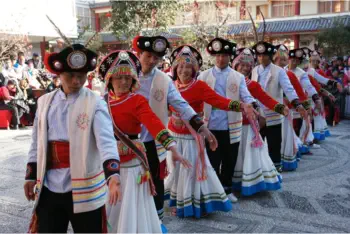
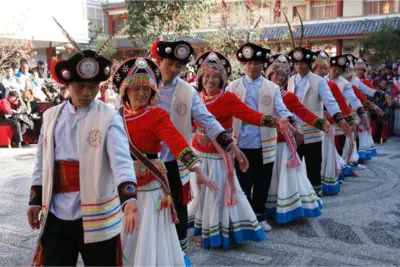
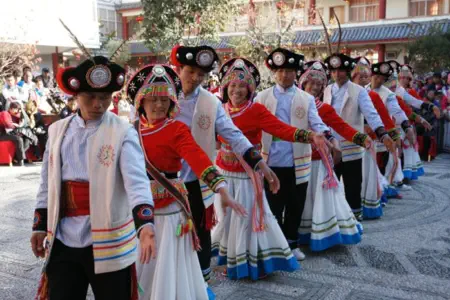
Lisu 傈僳
There are about 700,000 Lisu people inhabit in China, mostly live in Yunnan in their traditional homeland of Three Parallel Rivers National Park. They are known for long festival days with much dancing and playing music on traditional instruments.
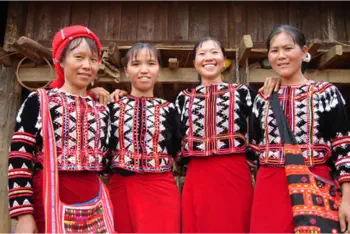
Lahu 拉祜
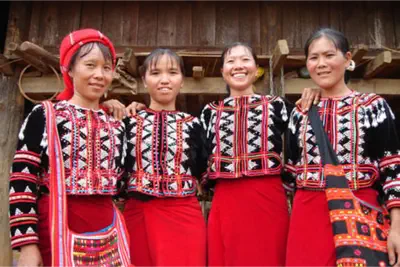
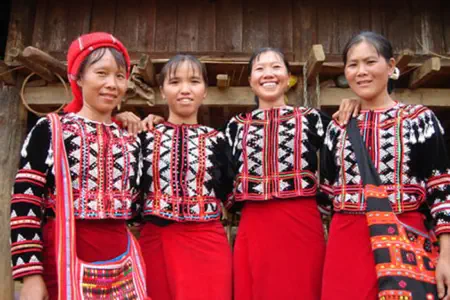
The Lahu people, numbering about 480,000, live mostly in Lancang Lahu Autonomous County in the hills near the border between Yunnan and Vietnam. Traditionally they are hunters. Their religion is historically polytheistic but today some are Christian and some are Buddhist.
Jinuo 基诺
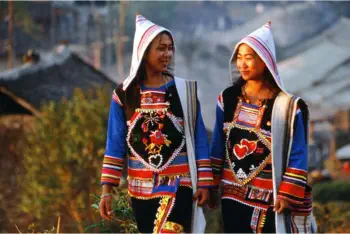
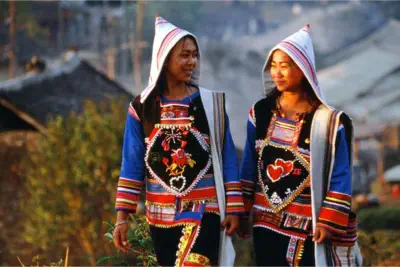
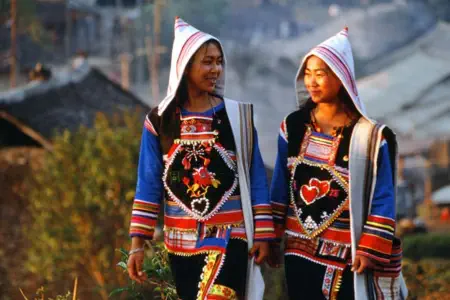
The 23,000 Jinuo people live mostly in the Jinuo Mountain area of Jinghong City, and in some areas of Jinghong and Menghai. Their name translates to "the offspring of the uncle" or "the nation that respects the uncle." Most make their living by agriculture and growing tea.
Hani 哈尼
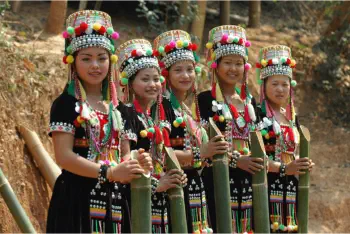
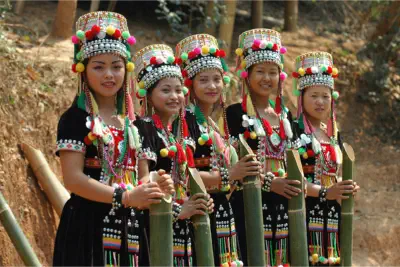
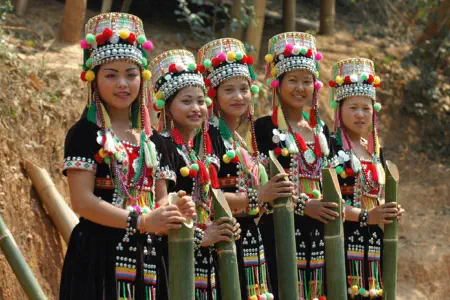
The Hani people mostly live in the area around the Yuan and Lancang rivers, numbering about 1.6 million in Yunnan. They are known for lively and colorful festivals, such as Ku-Zha-Zha, with feasting, colorful clothing and lively singing.
Dulong 独龙
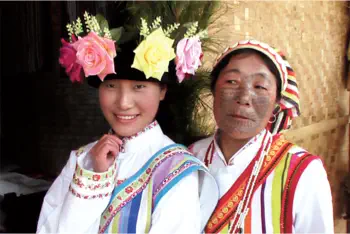
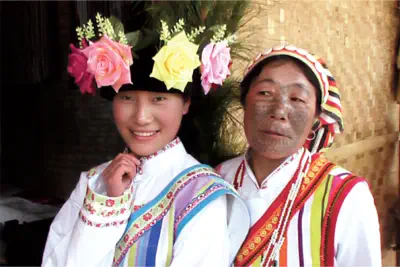
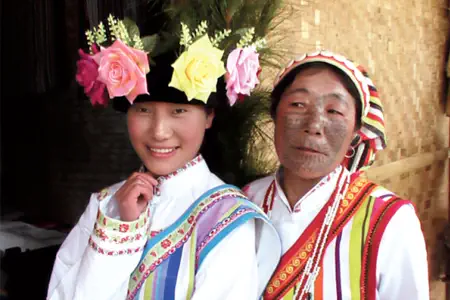
The Dulong people are one of China's ethnic minorities and the smallest ethnic group in Yunnan Province. They speak the Dulong language and do not have their own writing system. The Dulong people originally had the custom of group marriage, which no longer exists. Both men and women wear their hair loose, and girls have the habit of tattooing their faces. The Dulong people believe that all things have spirits, worship natural objects, and believe in ghosts and gods.
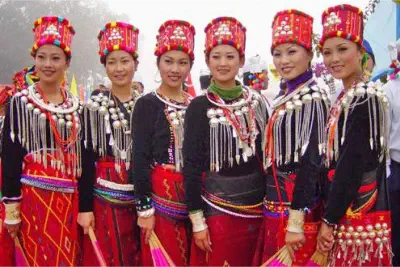
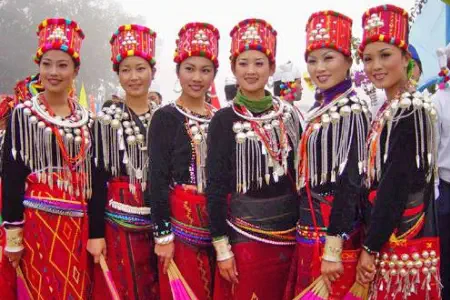
Jingpo 景颇
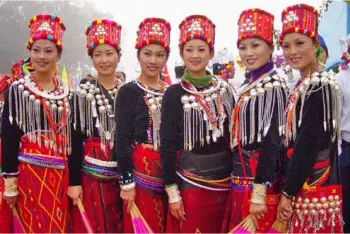
The Jingpo ethnic group has a population of about 150,000, and most of them live in Yunnan. They are known for their strength, bravery and determination. They take great pride in the unity of their nation.
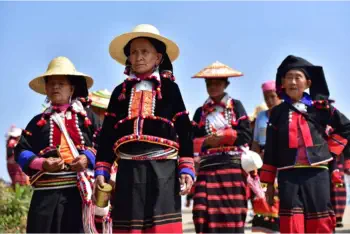
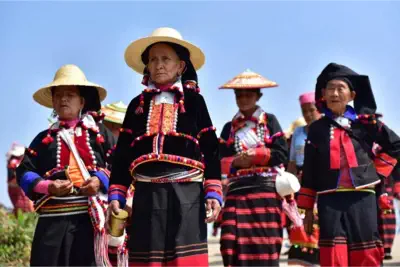
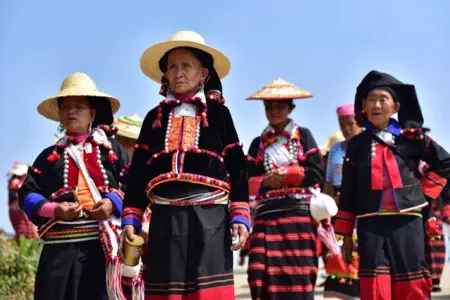
De'ang 德昂
The De'ang people, numbering about 20,000 in Yunnan, is descended from the ancient Pu people who lived along the Nu River in the 2nd Century BC. They play a great variety of traditional musical instruments such as kick drums, cymbals, chimes and mouth strings to accompany their lively singing and dancing.
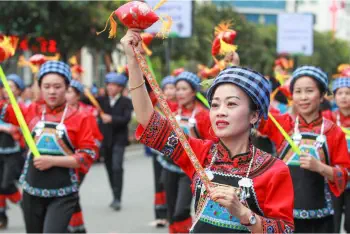
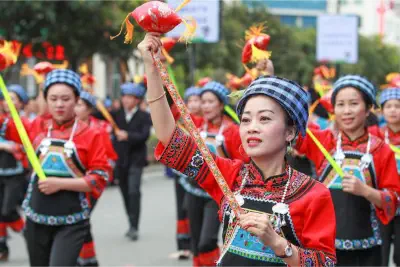
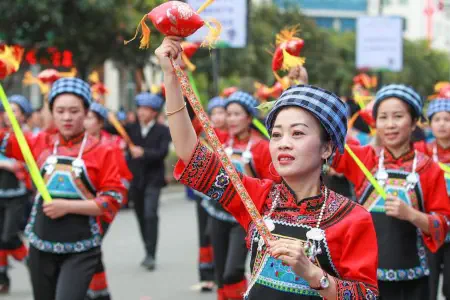
Buyi 布依
There are more than 2.8 million Buyi in China, mostly in Guizhou, with some in Sichuan and about 55,000 in Yunnan. They live in the Buyi area of Luoping and Fuyuan counties, with a small number in Shizong, Maguan, Hekou and other counties.
Dai 傣
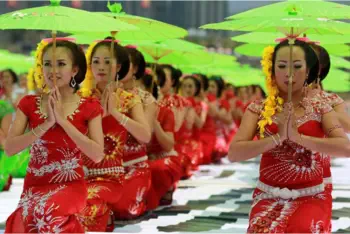
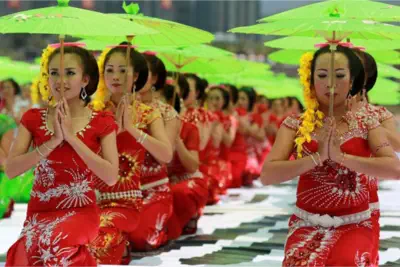
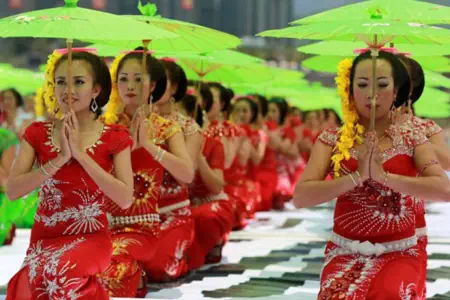
The Dai ethnic group numbers more than 1 million living primarily in the Xishuangbanna Dai Autonomous Region and the Dehong Dai-Jingpo Autonomous Prefecture in southern Yunnan Province. They are known for their lively music and dance, and for their distinctive architecture.
Bulang 布朗
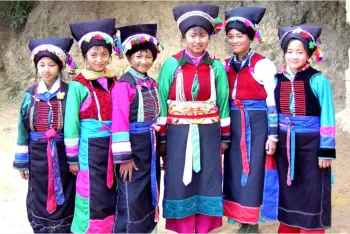
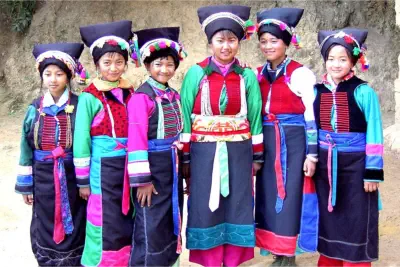
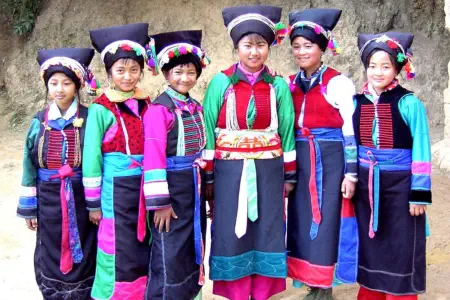
Nearly all of the 120,000 Bulang people live in Yunnan. They are highly musical and their culture is driven by music. They use foot drums and traditional instruments to accompany their lively singing and dancing, which often continues late into the night during festival season.
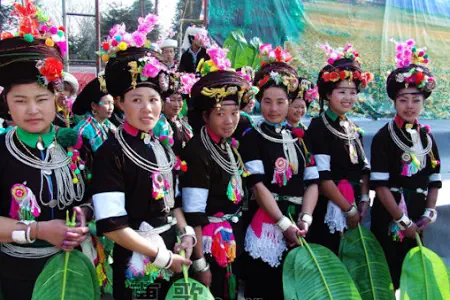
Achang 阿昌
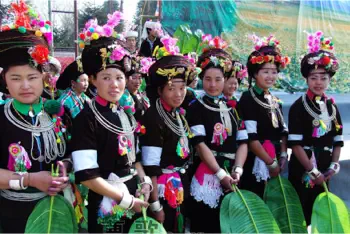
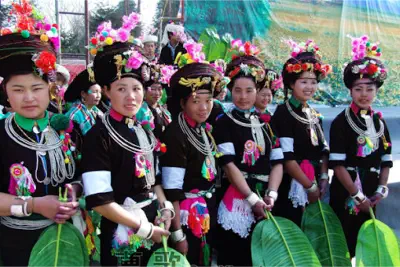
The Achang people, who number around 40,000 in China, are almost all in Yunnan. They are one of the earliest known aboriginal people of China and they trace their ancestry back to the "Xunchuan" tribe that lived on the Nu River as far back as the second century AD.
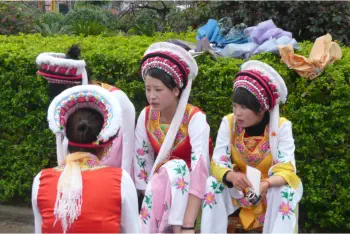
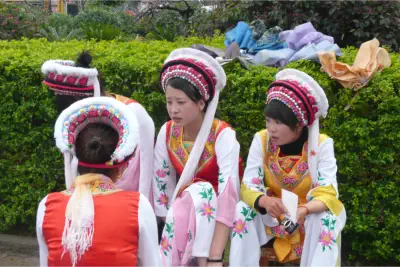
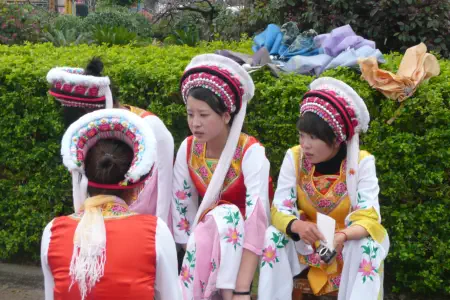
Bai 白
There are nearly 2 million Bai people in China, about 1.5 million of them in the Dali Bai Autonomous County of Yunnan Province, as well as Lijiang, Kunming, Yuanjiang and Guizhou. They are known for their artistic creativity in painting, sculpture, crafts, music and architecture.